How to Care for a Mechanical Pocket Watch in New Zealand
What a Mechanical Pocket Watch Needs
A mechanical pocket watch is a small machine first and a keepsake second. The movement depends on gears, springs, oils, and precise contact between parts, which means the watch rewards gentle handling more than constant fiddling. If you are learning how to care for a mechanical pocket watch in New Zealand, start with the basics: wind it at the same time each day, keep it away from damp air, and store it where it cannot get knocked around.
That may sound obvious, but most damage happens in the ordinary moments. A watch left loose in a jacket pocket can pick up scratches. A watch stored in a bathroom drawer can absorb humidity. A watch over-wound with enthusiasm can put unnecessary strain on the mainspring. The good news is that none of this requires specialist knowledge. A calm routine is enough to protect most pocket watches through daily wear, travel, and family events.
For people buying their first piece, it helps to browse the full range of pocket watches alongside a matching pocket watch chain. The chain is not just decorative; it reduces drops, keeps the watch close at hand, and makes the whole setup easier to live with. If you want a broader sense of the brand’s styling, the Fob & Co New Zealand homepage is a useful starting point for the wider collection.
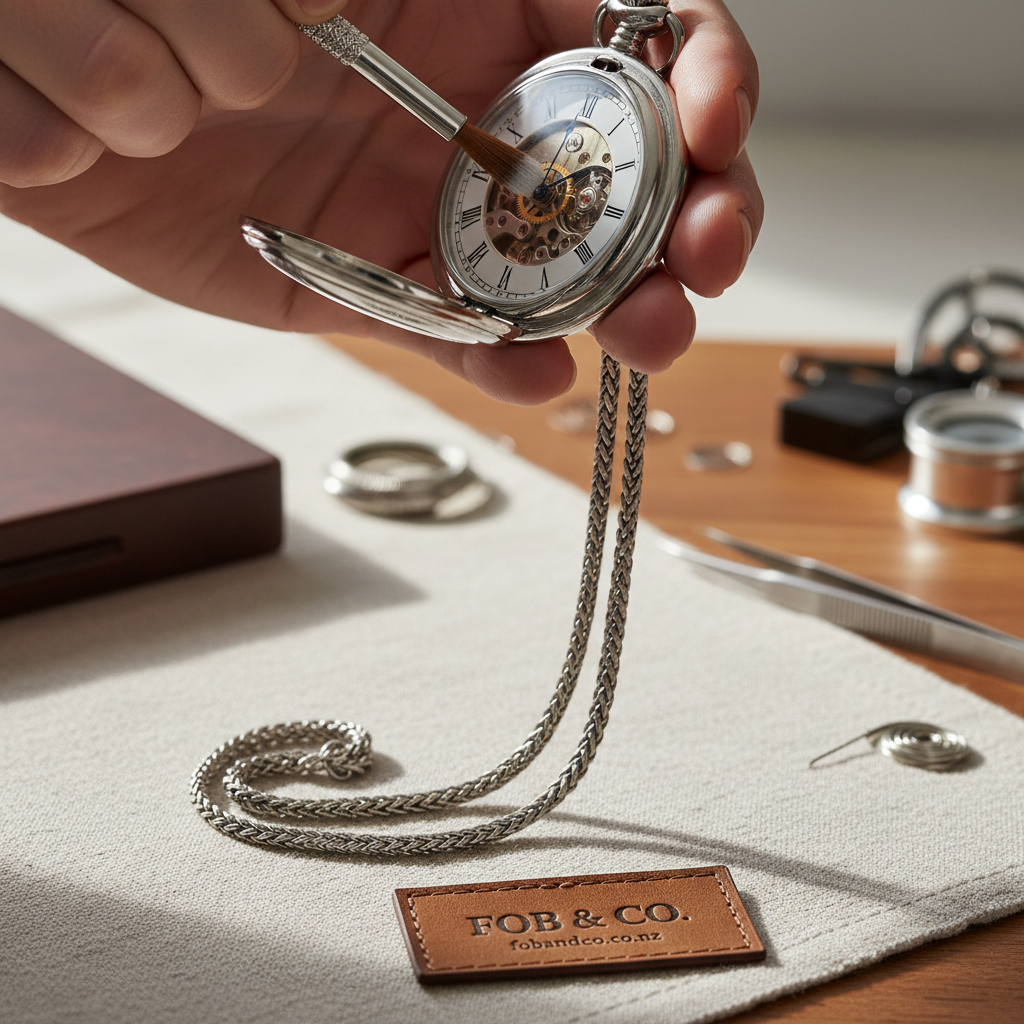
Moisture deserves special attention in a New Zealand climate. Even when the watch is not exposed to rain, sudden temperature changes can cause condensation under the crystal or inside the case. Horology references such as the Horological Society of New York and the British Horological Institute both stress that regular maintenance and sensible storage matter more than dramatic rescue attempts after damage has already started. That is the right mindset here too: prevent, do not panic.
If your watch already has a good home, keep it there. A lined box, a soft pouch, or a dedicated drawer insert all work well. The point is to create a repeatable place where the watch goes after use. Pocket watches that wander between coats, desks, glove boxes, and bedside tables end up with more marks and more missed windings than watches that live in one protected place.
How to Choose the Right Care Routine
The best care routine is the one you will actually follow. Some owners like a formal ritual: open the case, wind the crown, check the time, and return the watch to storage. Others only need a quick daily check before leaving the house. Either way, the core steps are the same. Wind gently, set carefully, wipe the case with a soft cloth, and inspect the chain or fob for wear. If you want the easiest routine possible, choose a watch that feels comfortable in your pocket and a chain that is long enough to use without tugging.
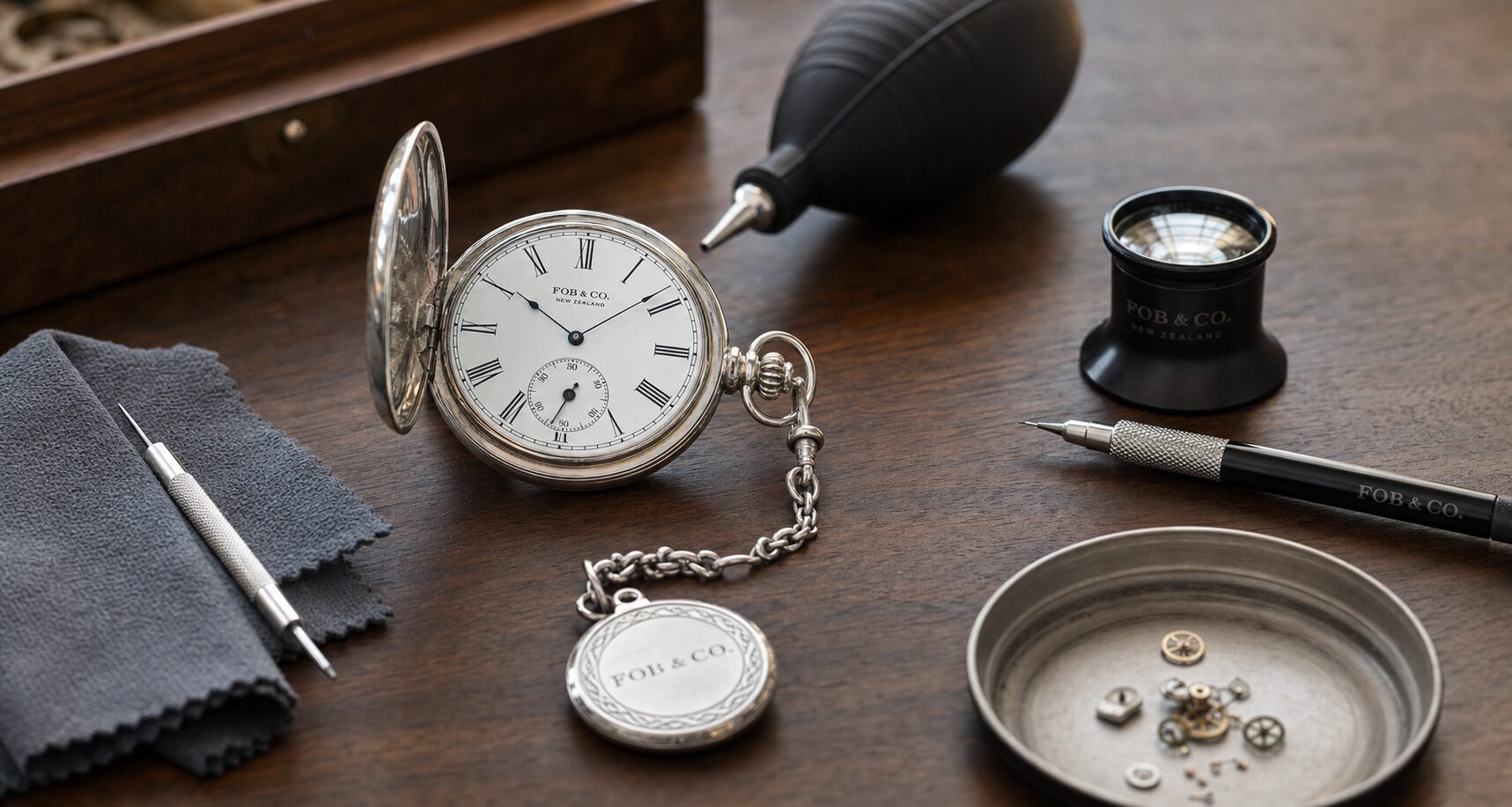
Movement type matters too. A manual mechanical pocket watch needs regular winding; there is no shortcut around that. If the movement has a display back or a more open design, you may be able to admire the mechanism more often, but you should still handle it with dry hands and minimal pressure. For buyers comparing formats, the full hunter pocket watches and half hunter pocket watches pages are useful because they show how the case style affects daily use.
The case style influences both protection and convenience. Full hunter cases offer a solid front cover, which shields the dial from pocket debris and accidental scratches. Half hunter cases give you a partial view of the time without fully opening the watch, which is handy if you check it often. Open-face styles are easy to read but ask a little more of the owner when it comes to storage and handling. If the watch is going to be worn frequently, a protective case or cover is usually the wiser choice.
Accuracy expectations also shape your routine. Mechanical watches are not digital devices; they benefit from consistency more than obsession. Choose one time source for setting the watch, then leave it alone unless you notice a genuine drift. Repeatedly adjusting the hands over tiny differences often creates more wear than it solves. A watch that is roughly on time, protected, and serviced correctly is doing its job.
Good routine design is less about perfection and more about removing friction. Keep the winding habit attached to an existing ritual, like morning coffee or changing into work clothes. Store the watch with its chain in the same place every night. Make it easy to do the right thing, and the watch will quietly reward you for years.
Top Styles and Options
When people ask about care for mechanical pocket watch new zealand options, what they usually want is a watch that fits their lifestyle without becoming high maintenance. That means considering the case, the chain, the finish, and the way the watch will be used. A polished silver tone feels formal and timeless, while a darker or more detailed case can hide light wear better. A heavier watch feels substantial, but it may also need a sturdier pocket and a more durable chain.
The most practical style choice is the one that matches your real habits. If the watch will be worn with a suit or blazer, a clean case with a modest chain is often ideal. If it is more of a keepsake for special occasions, then decorative detailing can take priority. The chain should match the use case as well: short enough to control, long enough to reach comfortably, and strong enough to withstand repeated clipping and unclipping. A good chain turns the watch into a complete system rather than a loose object that needs constant babysitting.
There are also aesthetic options inside the movement and dial design. Roman numerals feel classic and ceremonial. Arabic numerals are easier to read at a glance. A smaller subdial can add charm, but simplicity often ages better. If you are buying as a gift, use the style to signal the occasion rather than trying to impress with complexity. A well-chosen pocket watch usually says more with restraint than with ornament.
At this stage, it helps to compare the collection from the top down and the detail level from the bottom up. Start with the collection overview at Fob & Co, then compare the pocket watch range with the matching chains and accessories. That gives you a clearer picture of how the parts work together before you commit.
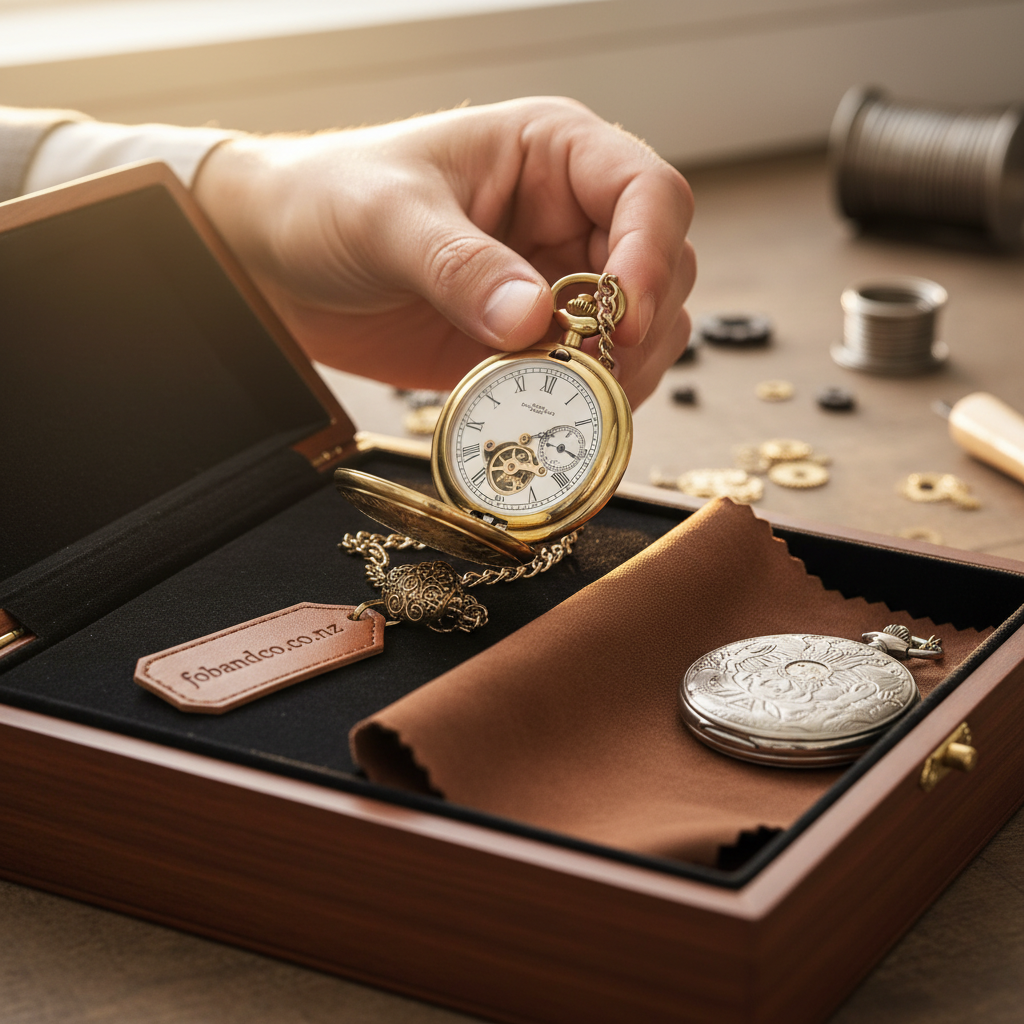
Expert horology sources consistently favour choosing a watch that is serviceable, protectable, and easy to live with. That is a sensible rule for New Zealand buyers too. If a watch looks beautiful but feels awkward to carry, it is less likely to be treated with care. If it is pleasant to use, maintenance becomes part of the experience rather than a chore.
What to Consider Before You Buy
Before you buy, think beyond appearance. A mechanical pocket watch should suit the way you dress, travel, and store your valuables. If you wear formal clothing often, make sure the case size works with your jacket pockets and that the chain length allows the watch to sit naturally. If you are buying for a daily carry, check whether the watch can tolerate regular use without feeling fragile. A beautiful watch that is too precious to touch is not really a daily companion.
Serviceability matters a great deal. Ask whether the movement is easy to maintain, whether replacement parts are available, and whether the watch has a straightforward case construction. The people at the full hunter and half hunter collections may offer the style clues you need, but the long-term owner should also think about how often the watch will need cleaning and professional attention. The cheaper the watch, the more important it is to know what level of care it can realistically receive.
In New Zealand, consider climate and travel patterns as part of the purchase decision. If the watch will go from an air-conditioned office into humid weather and back again, choose a case and storage method that reduce exposure. If you often commute or move between cars, trains, and outdoor spaces, a solid case and dependable chain become more valuable than extra decoration. Convenience keeps the watch safe.
Budget is important, but budget-friendly should never mean disposable. A lower-cost mechanical pocket watch can still be a good purchase if the owner understands its limits and follows a sensible routine. The best value usually comes from a watch that feels right in the hand, reads clearly, and can be stored properly. That is where form and function finally agree.
For context on general care standards, brands and institutions like Seiko and Citizen both publish maintenance guidance that reinforces the same practical lesson: keep the watch clean, avoid moisture, and service it before neglect becomes a repair bill. You do not need to overcomplicate it. You just need to be consistent.
Tips from the Experts
Professionals tend to give the same advice because it works. First, wind the watch at roughly the same time each day. This helps the mainspring run in a predictable range and keeps the movement happier. Turn the crown gently until you feel resistance, then stop. Forcing it is never clever. Second, keep your hands clean and dry when handling the case. Oils and moisture from fingers may not ruin a watch immediately, but over time they do affect finish, clarity, and comfort.
Third, wipe the watch down after use. A soft microfiber cloth removes fingerprints, dust, and the salt residue that can build up when a watch is worn outdoors. Fourth, inspect the chain, clasp, and attachment points. Most accidents happen because a link loosens or a clip fails at the wrong moment. It takes seconds to check and much longer to recover a dropped watch. Treat the chain as part of the watch, not as an accessory you can ignore.
Fifth, store the watch away from magnets, bathrooms, direct sunlight, and places where temperature swings are severe. A stable, dry drawer is better than a glamorous but risky shelf. If you live near the coast or travel often, be even more disciplined about storage. Salt air and rapid weather changes are manageable when the watch is protected and inspected regularly.
Sixth, plan servicing before the watch starts behaving badly. Horologists usually recommend periodic maintenance based on use, age, and movement condition rather than a single universal date. The Horological Society of New York is a helpful reminder that preventive service is cheaper than corrective repair. The same applies in practice whether the watch is a family heirloom or a recently purchased piece.
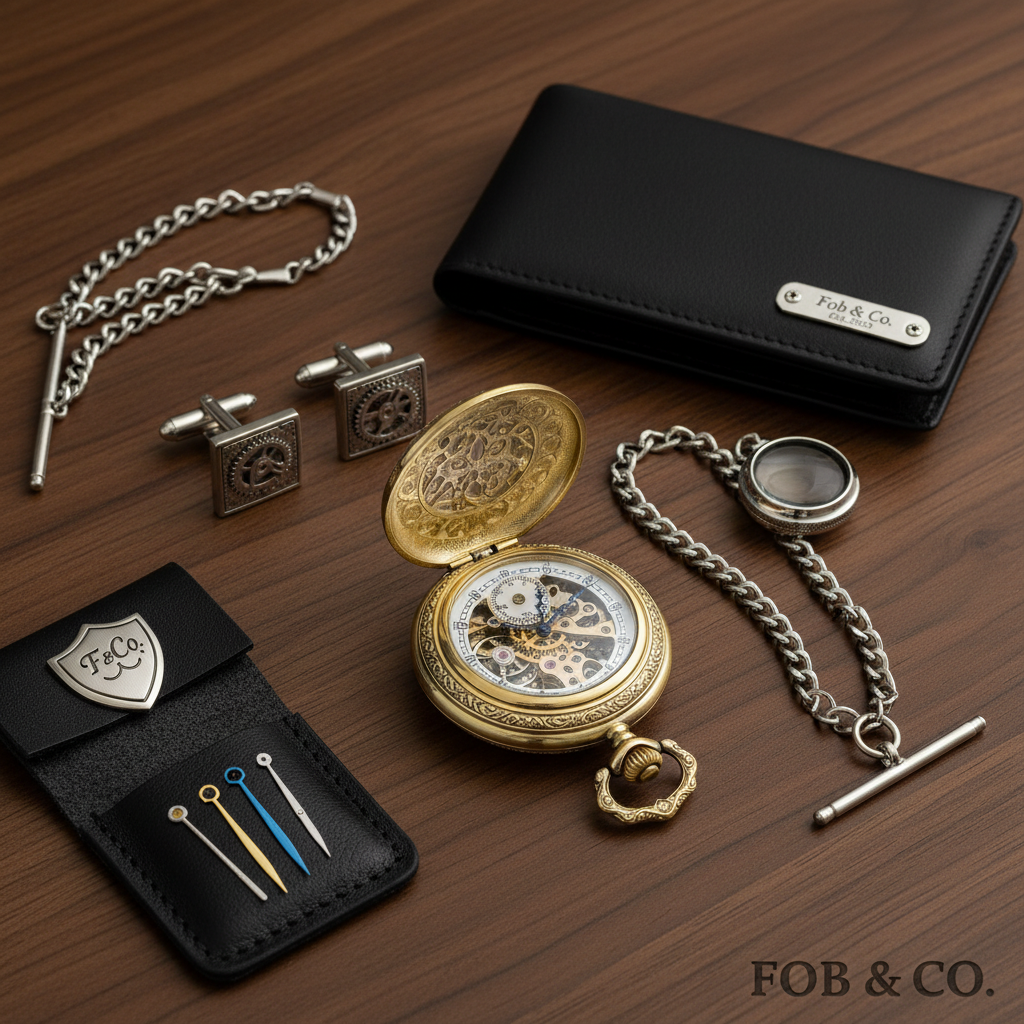
Finally, make the watch part of a calm habit. If you keep it beside a wallet, cufflinks, or another daily carry item, the routine becomes automatic. If you pair it with thoughtful storage and a chain that suits your life, the watch will feel less like fragile technology and more like a reliable ritual.
Frequently Asked Questions
What is the best way to care for a mechanical pocket watch?
The best care is a simple mix of daily winding, dry handling, safe storage, and periodic professional servicing. In New Zealand, moisture control matters especially, so keep the watch out of humid rooms and wipe it down after use.
How do I know which care routine my mechanical pocket watch needs?
Choose the routine that fits your actual habits. If you wear the watch daily, build winding and cleaning into a regular morning ritual; if you wear it for events, focus on storage, inspection, and careful transport between occasions.
What should I look for when buying a mechanical pocket watch?
Look for a watch with a case style you will actually use, a movement you can maintain, and a chain that feels secure. Also check that the size, readability, and finish match the way you plan to carry and store it.
Are there budget-friendly ways to care for a mechanical pocket watch?
Yes. A budget-friendly option can still be worthwhile if it has a solid case, a dependable chain, and a movement you can service properly. The key is to spend less on novelty and more on the features that protect the watch over time.