
What is a pocket watch?
A pocket watch is a portable timepiece designed to be carried in a pocket rather than worn on the wrist. Traditionally, it is attached to a chain or fob so it can be secured to clothing and drawn out easily when you want to check the time. While wristwatches are the everyday default for most people now, pocket watches have never really disappeared. They have simply shifted from being a necessity to being something more personal: part practical tool, part statement piece, part keepsake.
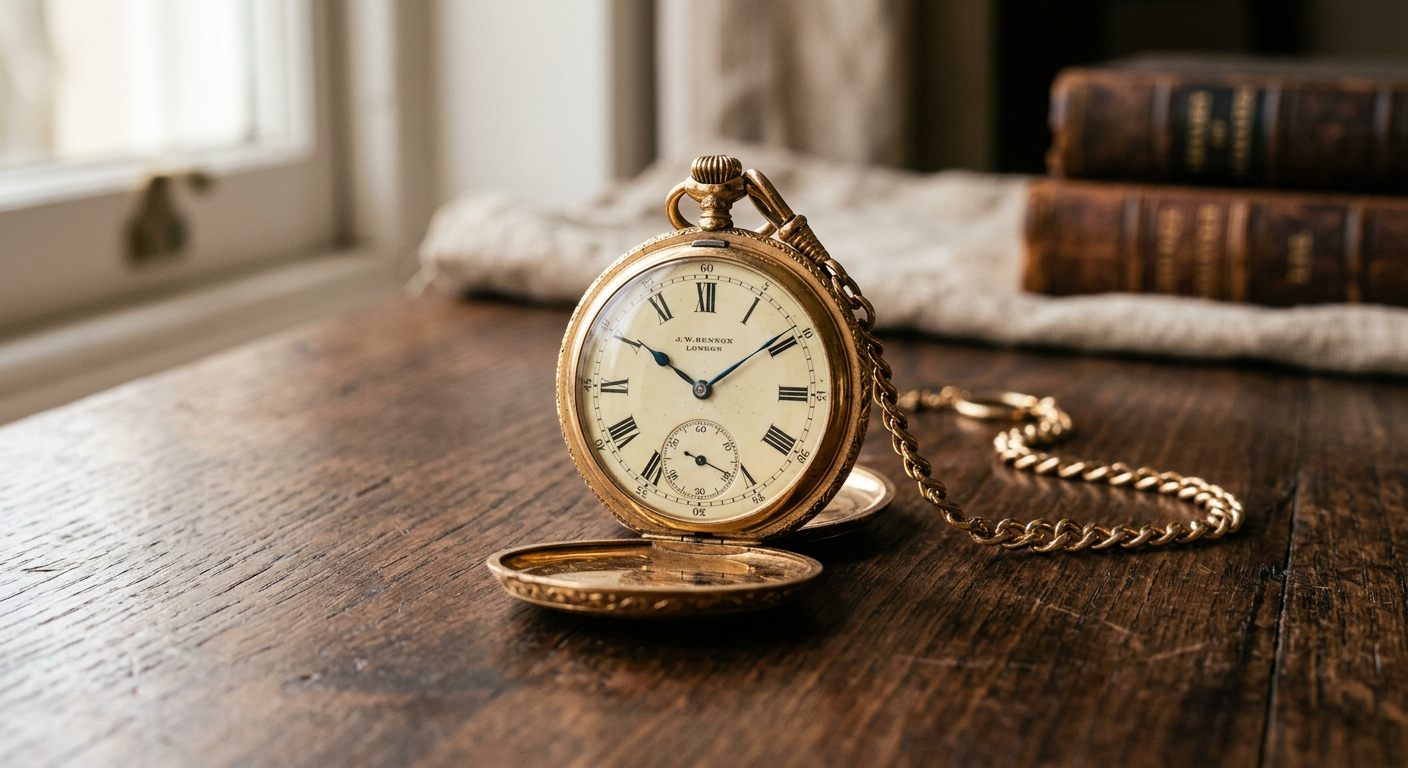
For many buyers in New Zealand, a pocket watch appeals because it feels distinctive without being loud. It carries a sense of tradition, but it can still work in a modern wardrobe. Some people wear one with formalwear for weddings or black-tie events. Others keep one for special occasions, milestone birthdays or anniversaries. And some simply prefer the ritual of opening a watch cover, winding a movement and carrying something with a bit more character than a phone.
If you are browsing all pocket watches, the key thing to understand is that there is no single “best” pocket watch for everyone. The right choice depends on how you want it to look, how you want it to function, and whether you are buying it for yourself or as a gift. Style, movement, finish and whether you need a chain all matter.
A good pocket watch should feel deliberate. It should suit the way the wearer dresses, the occasions they will use it for, and the level of tradition or simplicity they prefer. That is why a buying guide matters: two watches may both look attractive online, but they can feel very different in actual use.
Pocket watch styles explained
When people ask what kind of pocket watch they should buy, they are usually really asking about case style. This is the first decision most buyers should make, because the style affects both appearance and practicality.
Full Hunter
A Full Hunter pocket watch has a solid front cover that closes over the dial completely. To read the time, you press the crown or release button and open the lid. Visually, it is the most classic and traditional style. The closed front gives the watch a clean outer surface and a slightly more formal feel.
Full Hunter styles suit people who like a vintage look, want more protection over the dial, or are buying for ceremonial occasions such as weddings. They also work well as gifts because the closed cover gives the watch a more substantial, keepsake-like presence.
Half Hunter
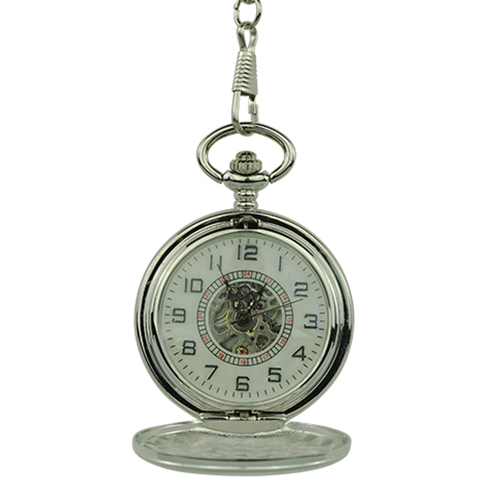
A Half Hunter pocket watch also has a front cover, but it includes a small window or cut-out so you can read the time without fully opening the watch. Often the outer cover includes markers or numerals around that opening.
This style sits nicely between tradition and convenience. It still has the satisfying Hunter-case look, but it is slightly more practical for quick time checks. If someone likes a classic pocket watch but wants something a touch more functional, Half Hunter designs are often the sweet spot.
Open Face
An open-face pocket watch has no front lid at all. The dial is always visible, which makes it the simplest and most direct style to use. This is a good option for people who care less about ceremony and more about instant readability.
Open-face styles tend to suit everyday use, minimal tastes, and buyers who want the cleanest experience. If the watch is likely to be used regularly rather than only on special occasions, open face can be a very sensible choice.
Skeleton
A Skeleton pocket watch is designed to reveal the movement through the dial, caseback, or both. You can see the inner mechanics at work, which gives the watch a more intricate and eye-catching character.
Skeleton styles suit people who enjoy the engineering side of watches and want something visually expressive. They are popular as gifts because they feel interesting straight away, even to someone who is not already a watch enthusiast. If you want the watch to start conversations, skeleton designs usually do that better than plainer cases.Skeleton pocket watch
Double Hunter
A Double Hunter pocket watch has covers on both the front and back. This gives the piece a balanced, old-world look and can create extra visual drama when both sides open. Some buyers are drawn to Double Hunter styles because they feel especially traditional and ornate.
This style suits collectors, gift buyers, and anyone who wants a pocket watch that feels more ceremonial than casual. It is less about pure convenience and more about presence, detail and the experience of using it.
Which style should you choose?
If you want the most traditional look, start with Full Hunter or Double Hunter. If you want a blend of classic style and practicality, Half Hunter is a strong choice. If you want straightforward day-to-day readability, open face makes the most sense. If you want visible mechanics and personality, Skeleton is usually the winner.
Mechanical vs Swiss quartz — which should you choose?
The next big decision is movement type. In simple terms, the movement is the engine inside the watch. For FOB & Co buyers, this matters because the Classique range uses Swiss quartz movements, while the rest of the FOB & Co pocket watch range uses mechanical movements.
Mechanical pocket watches
Mechanical watches are powered by springs and gears rather than a battery. They are loved for their craftsmanship, traditional character and the visible sense that a real mechanism is doing the work. This is especially appealing in skeleton styles, where you can actually see that movement in action.
A mechanical pocket watch suits buyers who appreciate heritage, ritual and engineering. Winding the watch becomes part of the ownership experience. For some people, that is the entire point: it feels more intentional and more memorable than simply replacing a battery when needed.
The trade-off is that mechanical watches usually require more attention. They need winding, and their timekeeping is generally less “set and forget” than quartz. That is not a flaw; it is just the nature of the movement.
Swiss quartz pocket watches
Swiss quartz movements are battery-powered and known for convenience and reliable accuracy. If the person wearing the watch wants something easy to use, low-fuss and dependable, quartz often makes the most practical sense.
The Classique range is the right place to look if you want that convenience. Quartz is often a smart choice for gift recipients who like the look of a pocket watch but may not want the ongoing habit of winding and monitoring a mechanical piece.

So which is better?
Neither is universally better. Mechanical is better if you value tradition, visible craftsmanship and the experience of owning a more old-world watch. Swiss quartz is better if you value simplicity, convenience and highly consistent timekeeping.
As a rule of thumb: buy mechanical if the wearer will appreciate the romance of the watch itself. Buy Swiss quartz if the wearer mainly wants the look and usefulness without extra upkeep.
Choosing a finish
Once you have chosen the style and movement, the finish shapes the personality of the watch. Finish is not just a colour decision. It changes how formal, vintage, modern or bold the watch feels.
Gold
Gold pocket watches feel warm, classic and dressy. They suit formal occasions especially well and often work beautifully as gifts. Gold tends to look best for buyers who want a more traditional or celebratory feel.

Silver
Silver pocket watches are versatile and easy to wear. They generally look crisp, understated and timeless. If you are unsure what finish to choose, silver is often the safest option because it suits both formal and everyday styling.
Black
Black pocket watches feel more contemporary and a little bolder. They suit buyers who want something less traditional and more modern-looking. Black can pair particularly well with minimalist wardrobes or monochrome formalwear.
Brass and bronze tones
Brass pocket watches have an antique character that many people love. Bronze and brass-toned finishes often feel rugged, vintage and a touch more distinctive than bright gold or silver. They suit wearers who like old-world styling, heritage aesthetics and pieces that feel a little less polished in the best sense.
Rose gold
Rose gold brings in warmth with a slightly softer, more contemporary edge than yellow gold. It can feel elegant without looking overly formal. Buyers who want a gift that feels refined and a bit different often gravitate toward rose gold tones.
How should you decide?
Think about the wearer’s wardrobe first. Silver is adaptable. Gold is classic and formal. Black is modern. Brass and bronze feel vintage. Rose gold feels warm and distinctive. If the watch is for a wedding or milestone gift, lean toward the finish that best matches the occasion and the wearer’s usual accessories rather than simply choosing the boldest option.
Do I need a chain?
In most cases, yes — a chain is worth getting. A pocket watch without a chain can still be owned as a display piece or occasional keepsake, but for actual carrying and wearing, a chain makes the watch feel complete and functional.
A chain helps secure the watch, makes it easier to retrieve from a pocket, and gives the whole piece the look people usually picture when they think of a pocket watch. It also reduces the chance of fumbling the watch when taking it out. If you are shopping for a wearable setup rather than just the watch head alone, it makes sense to pair it with one of the pocket watch chains.
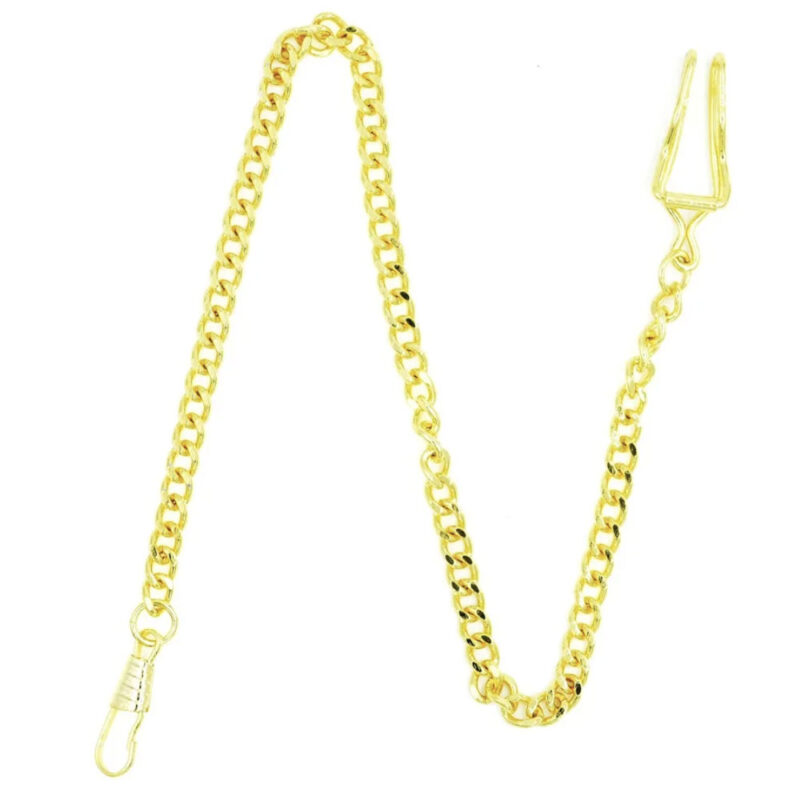
Different chains create slightly different looks depending on how formal or decorative you want the watch to feel. But the bigger point is practical: most buyers will be happier with a chain than without one. If you are buying a gift and want it to feel ready to use, adding a chain is usually the right call.
Pocket watches as gifts
Pocket watches make strong gifts because they sit in that rare category between useful object and keepsake. They can mark a graduation, wedding, anniversary, retirement, birthday or other milestone without feeling generic. A good pocket watch gift feels personal because it is not something most people buy for themselves every week.
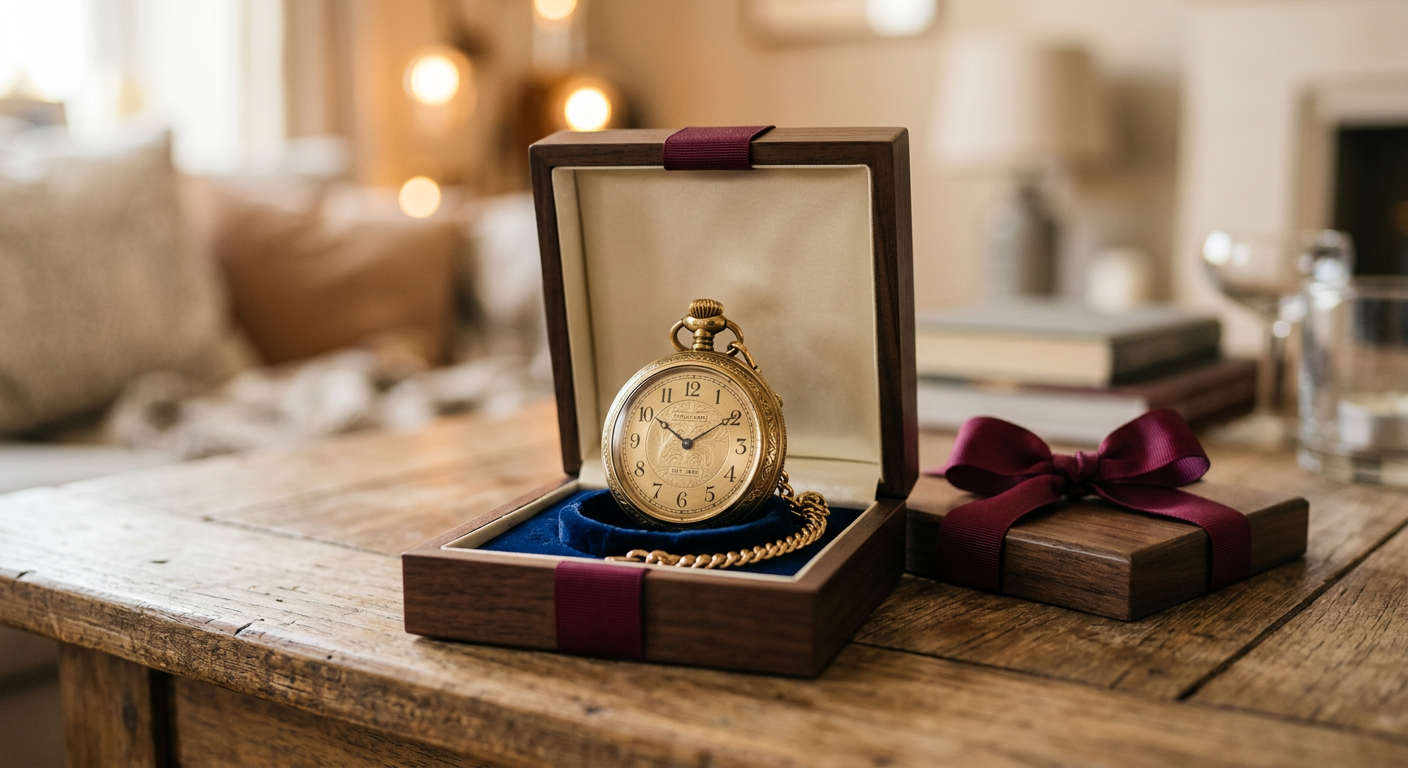
When buying as a gift, think about the recipient’s taste before anything else. Are they traditional, modern, minimalist or detail-focused? A mechanical skeleton watch might delight someone who loves visible craftsmanship, while a Swiss quartz Classique piece may suit someone who prefers straightforward use.
Also think about how often they are likely to wear it. If it is for weddings, formal events or occasional dress wear, a more traditional Hunter case can be perfect. If you want it to be easy to pick up and enjoy without much learning curve, a quartz option may be the safer choice.
Some pocket watches can be engraved, which can turn a handsome gift into a long-term keepsake. If engraving matters for your order, the sensible approach is to contact FOB & Co directly to confirm which models are suitable. Not every case style or finish will be equally appropriate for engraving, so it is better to check rather than assume.
For NZ buyers, it is also worth remembering the practical side of gifting: you want a watch that looks meaningful but is also easy for the recipient to live with. That is why movement type, chain choice and finish all matter just as much as the front-of-box appearance.
FAQs
Are pocket watches still worth buying today?
Yes — if you want something with more character than a standard wristwatch or phone. Pocket watches are not about replacing modern convenience; they are about owning something distinctive, traditional and enjoyable to use.
Which pocket watch style is best for a first-time buyer?
Half Hunter and open-face styles are often easiest for first-time buyers because they balance readability and ease of use. If the buyer wants the most classic appearance, Full Hunter is also a very strong first choice.
Is a mechanical or quartz pocket watch better for gifts?
It depends on the recipient. Mechanical is ideal for someone who values craftsmanship and doesn’t mind winding the watch. Swiss quartz is better for someone who wants the look of a pocket watch with minimal upkeep. The Classique range is the FOB & Co Swiss quartz option; the rest of the range is mechanical.
Do pocket watches come with a warranty?
FOB & Co pocket watches are covered by a 12 month warranty. If warranty support matters to you, it is sensible to keep your order details and contact the store directly if you have a question about a particular model or issue.
Do I really need to buy a chain as well?
For most buyers, yes. A chain makes the watch easier to carry, more secure in use, and visually complete. If the watch is meant to be worn rather than simply kept as a display piece, a chain is usually the practical choice.
How do I care for a pocket watch?
Keep it dry, store it carefully when not in use, and avoid dropping or knocking it against hard surfaces. Mechanical watches should be wound as directed and handled with a bit of care. If the watch has a cover, open and close it gently rather than snapping it. Pocket watches are made to be used, but they reward careful ownership.
In short, the best pocket watch is the one that matches the wearer’s style, expectations and habits. If you start with the right case style, choose the right movement, pick a finish that suits the person, and add a chain where needed, you will end up with a watch that feels considered rather than random. That is what turns a nice-looking pocket watch into the right pocket watch.